

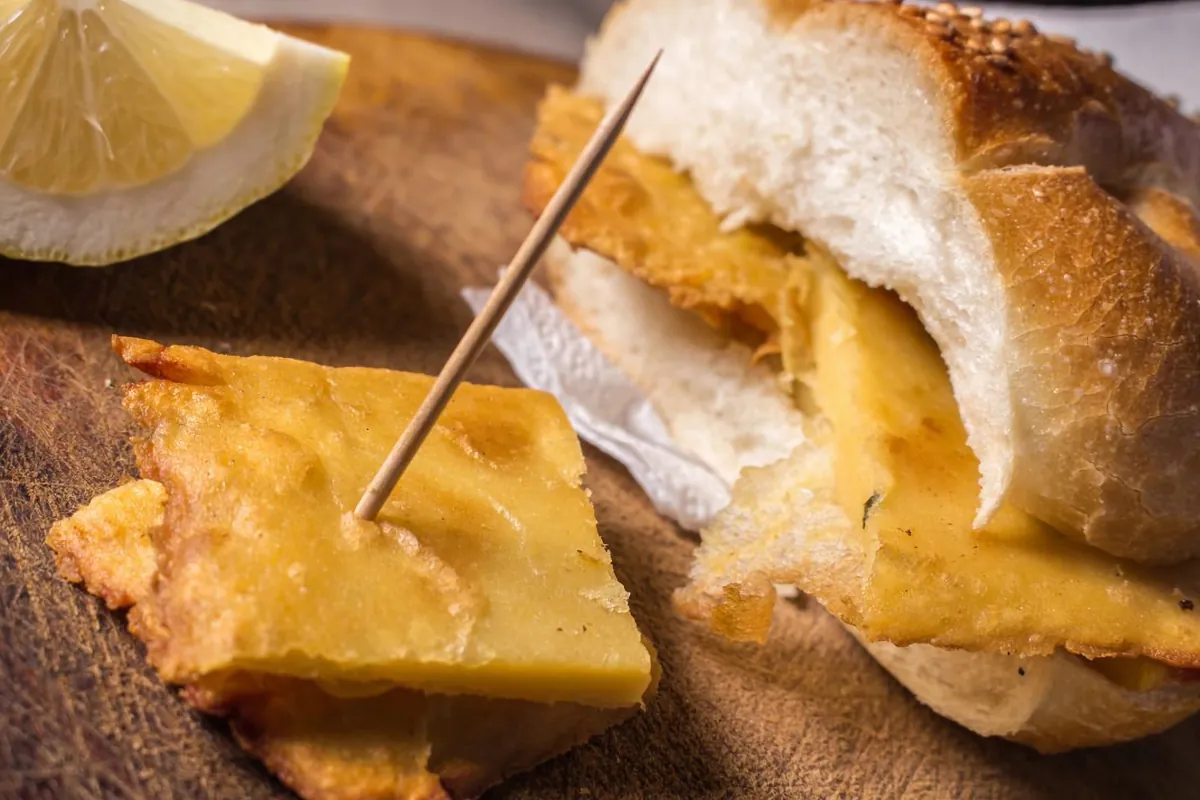
Panelle are a typical delicacy of Sicilian cuisine, consisting of small fritters made from chickpea flour. Their origin is uncertain, but it is believed they were brought to Sicily by the Arabs during their occupation of the island.
Introduction: Chickpea Panelle
Chickpea panelle are a typical Sicilian street food dish. They are particularly popular in the western part of the island and are now considered a tradition, found in practically every city in western Sicily.
Panelle are usually served as street food, accompanied by lemon and salt, but they can also be used as a filling for sandwiches or salads. In addition to being delicious, panelle are also very nutritious and healthy. Chickpea flour is rich in proteins, fiber, and minerals like iron and calcium. Furthermore, since they are fried in hot oil, panelle do not contain harmful saturated fats.
However, it’s important to note that panelle are quite calorie-rich due to the oil used for frying. So, if you want to enjoy panelle in a healthier way, it’s better to limit the quantity and choose healthier cooking options such as baking.
In general, panelle are an excellent choice for those who want to savor Sicilian cuisine in a healthy and delicious way. With their uncertain origin, simple preparation, and exquisite taste, panelle are a true delight for the palate.
How to Prepare Panelle?
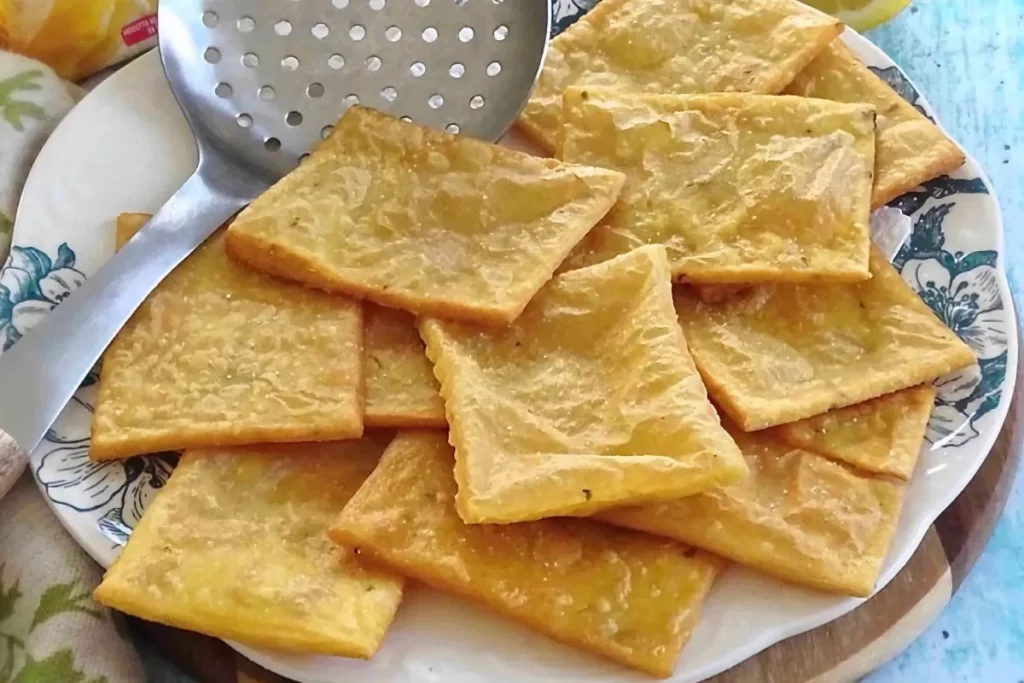
The preparation of panelle is quite simple: chickpea flour is mixed with water until a smooth, lump-free batter is obtained. This batter is then poured into small rectangular shapes and fried in hot oil. Once they are golden brown, the panelle are drained on absorbent paper to remove excess oil.
To prepare panelle, you will need:
- 500g of chickpea flour
- 1 liter of water
- Salt
- Oil for frying
Instructions:
- In a large pot, mix chickpea flour with water until a lump-free batter is formed.
- Place the pot on the heat and bring it to a boil while stirring continuously to prevent lumps from forming.
- Continue to stir until the batter thickens and detaches from the sides of the pot.
- Remove the pot from the heat and add a pinch of salt.
- Pour the batter into a rectangular pan or cake tin lined with parchment paper. Smooth the surface and let it cool.
- Once the batter has cooled, cut it into small squares or rectangular shapes.
- In a frying pan, heat the frying oil, and when it’s hot, add the panelle.
- Fry the panelle until they are golden and crispy.
- Remove the panelle from the oil with a slotted spoon and place them on absorbent paper to remove excess oil.
- Serve hot, accompanied by lemon and salt.
Tip: For a lighter version, you can bake the panelle by placing them on a baking sheet, drizzling with a little oil, and baking in a preheated oven at 180 degrees Celsius for about 15-20 minutes.
What is the history of panelle?
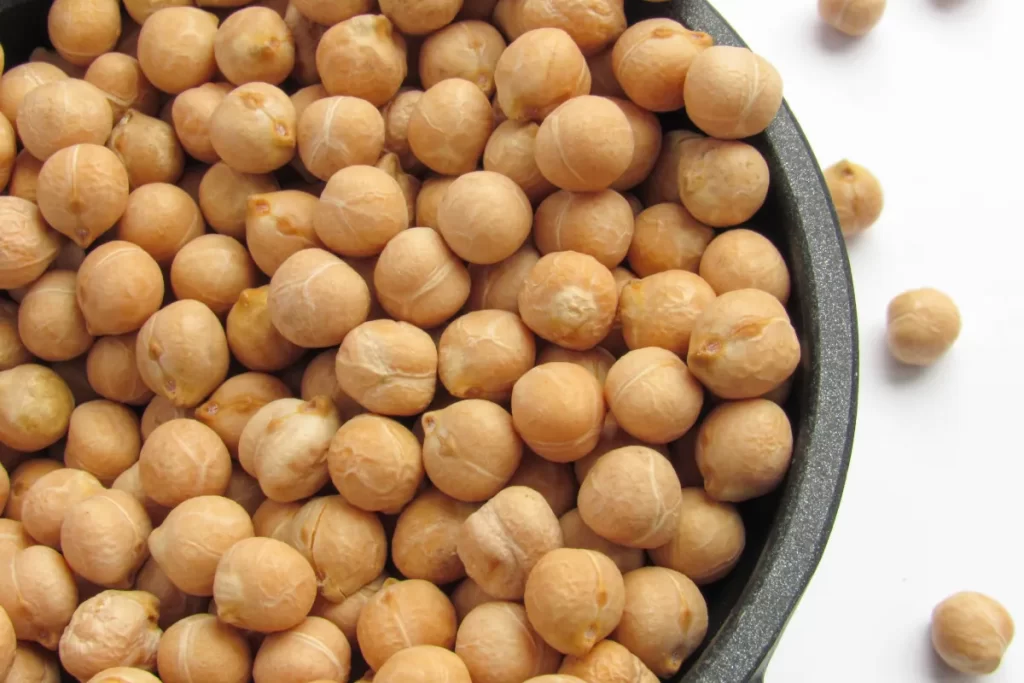
The origin of panelle is uncertain, but it is believed that they were brought to Sicily by the Arabs during their occupation of the island between the 9th and 11th centuries. The Arabs used to prepare a kind of chickpea flour fritters called “kaman” or “kamoun,” and this tradition later spread to Sicily. Specifically, by grinding chickpea seeds, a flour was obtained that, when mixed with water and cooked over the fire, formed a sort of raw dough with a not particularly pleasant taste. But a thin sheet of this dough, fried in oil and small in size, gave birth to a uniquely flavored product.
In the city of Palermo, the first “panella” of the modern era was born, which responded to the constant need, not so much to delight but more to feed the people.
Initially, panelle were considered a humble food, mainly consumed by the less affluent classes of society. However, over time, they became an icon of Sicilian cuisine and were appreciated by all, regardless of social class.
This dish has contributed to creating periods of rare splendor, aspects of social life that have become indispensable, and great pleasures of life. Throughout history, this culinary delicacy has delighted the refined palates of illustrious personalities such as Luigi Pirandello, Leonardo Sciascia, Renato Guttuso, and because in front of a fragrant panelle, any social barrier falls, and everyone becomes equal.
Panelle were particularly popular in Palermo, where they were sold on the street by vendors who prepared them on the spot. Today, panelle are still very popular in Sicily and can be found in many kiosks and restaurants throughout the island.
The “panellari” are accustomed to appearing from the street corners, with their carts on which a wooden shack is mounted, inside of which there is a stove and a large pot full of oil used for frying, and a shelf with the panelle already fried. You can enjoy them with classic Palermo sesame seed bread.
Furthermore, panelle also have a strong connection to Sicilian popular culture, often mentioned in poems, songs, and stories. They are a symbol of traditional Sicilian cuisine and represent an important part of the island’s history and culture.
In general, this delicacy is an example of how a food tradition can evolve and become an icon of a specific culture, appreciated by all, despite its simple and humble origins.
The story of the “panellerie” continues today and will continue over time, as long as there is a single customer who knows how to appreciate the art and goodness, and, closing their eyes, can recognize in that aroma the essence of a Palermo that cultivates its traditions at their best.
Where to find the best panelle in Sicily?
The best panelle in Sicily can be found in Palermo, where they are particularly popular, and where there are some historic kiosks that prepare them according to the traditional recipe.
Some of the most famous places for panelle in Palermo are:
- “Friggitoria Vucciria” located in the Vucciria district, is one of the city’s oldest historic kiosks and offers crispy and delicious panelle accompanied by lemon and salt.
- “Friggitoria Tuttolibri” located in Piazza Kalsa is another popular option for panelle in Palermo.
- “Friggitoria Pizzo” located in Piazza Pizzo is another popular choice for panelle in Palermo.
- “Friggitoria S. Francesco” located in Piazza San Francesco d’Assisi is another popular option for panelle in Palermo.
- “Testagrossa,” located in Piazza Indipendenza.
- Franco “u vastiddaru,” located in Piazza Marina.
These are just some examples of famous places for panelle in Palermo, but there are many other kiosks and restaurants throughout the city that offer delicious panelle.
Additionally, if you want to try panelle in other parts of Sicily, there are many kiosks and restaurants that offer this delicacy in other cities such as Catania, Messina, Trapani, and Agrigento.
Keep in mind that panelle are a traditional delicacy, and their preparation is an art, so try to avoid eating prepackaged or frozen ones because they do not have the same taste and crispiness as fresh panelle.
Furthermore, panelle also have a strong connection to Sicilian popular culture, often mentioned in poems, songs, and stories. They are a symbol of traditional Sicilian cuisine and represent an important part of the island’s history and culture.
In general, this delicacy is an example of how a food tradition can evolve and become an icon of a specific culture, appreciated by all, despite its simple and humble origins.
The story of the “panellerie” continues today and will continue over time, as long as there is a single customer who knows how to appreciate the art and goodness, and, closing their eyes, can recognize in that aroma the essence of a Palermo that cultivates its traditions at their best.


