

The Salt Pans of Trapani: A Historical and Environmental Legacy of Sicily
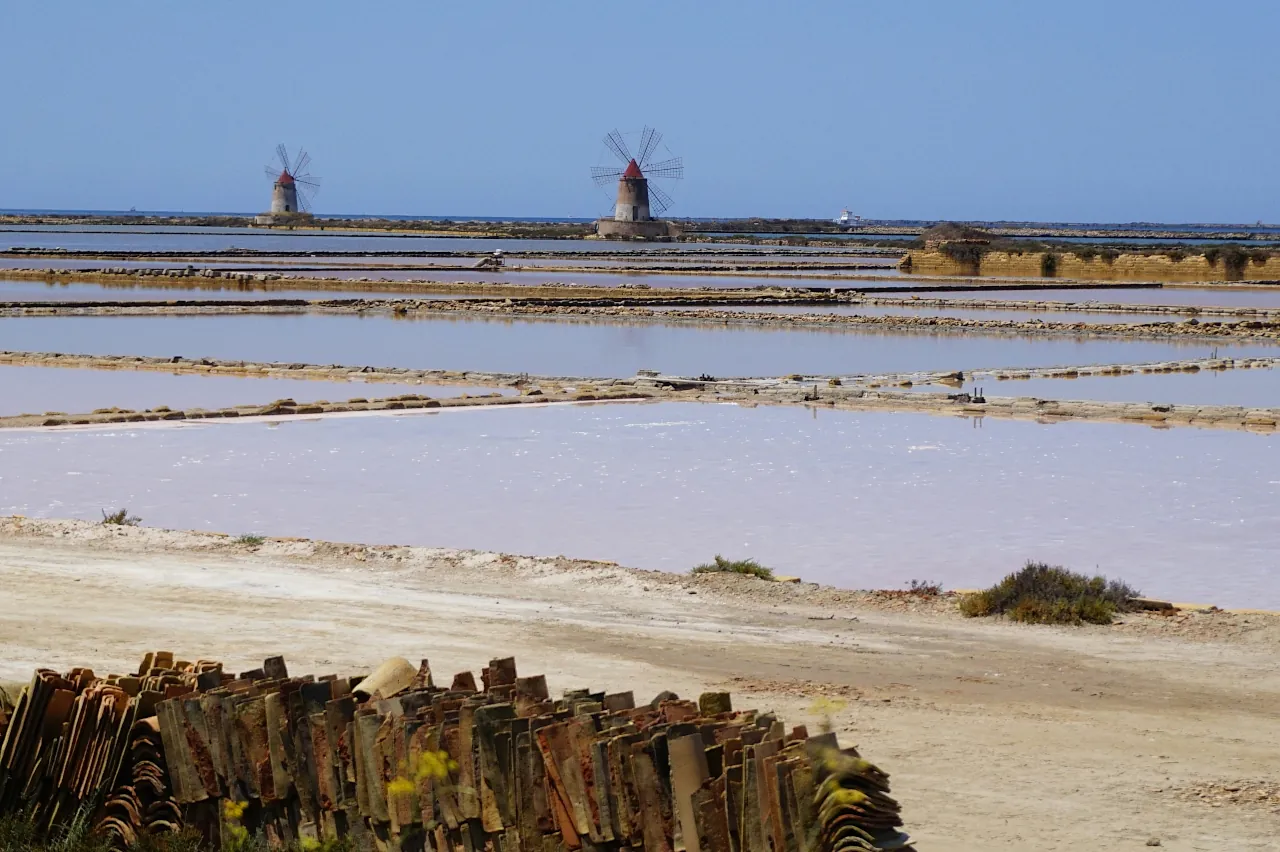
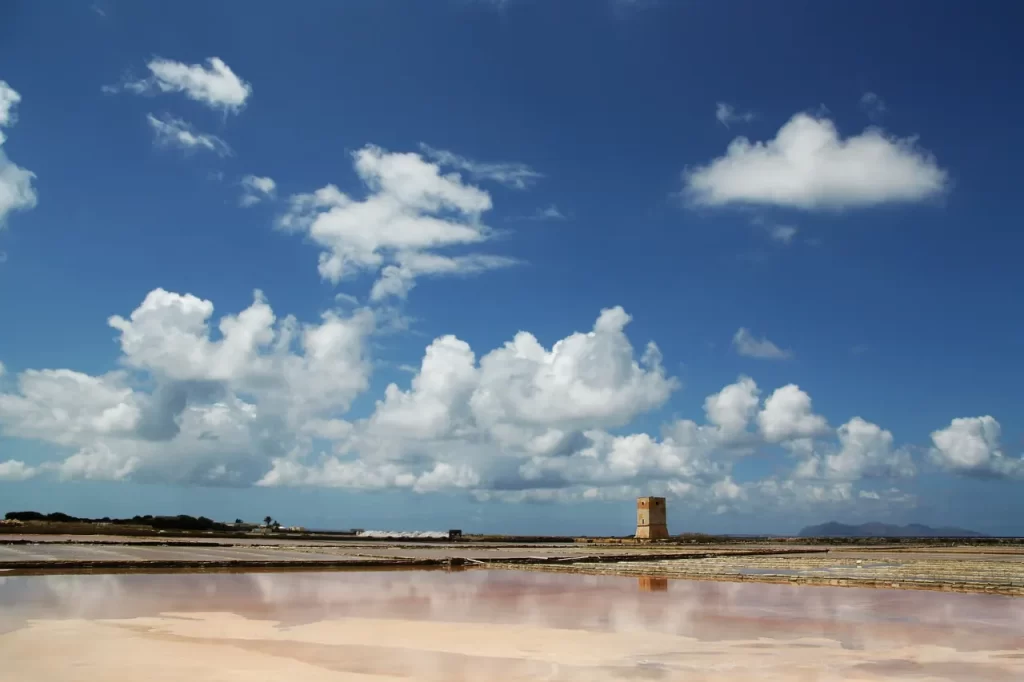
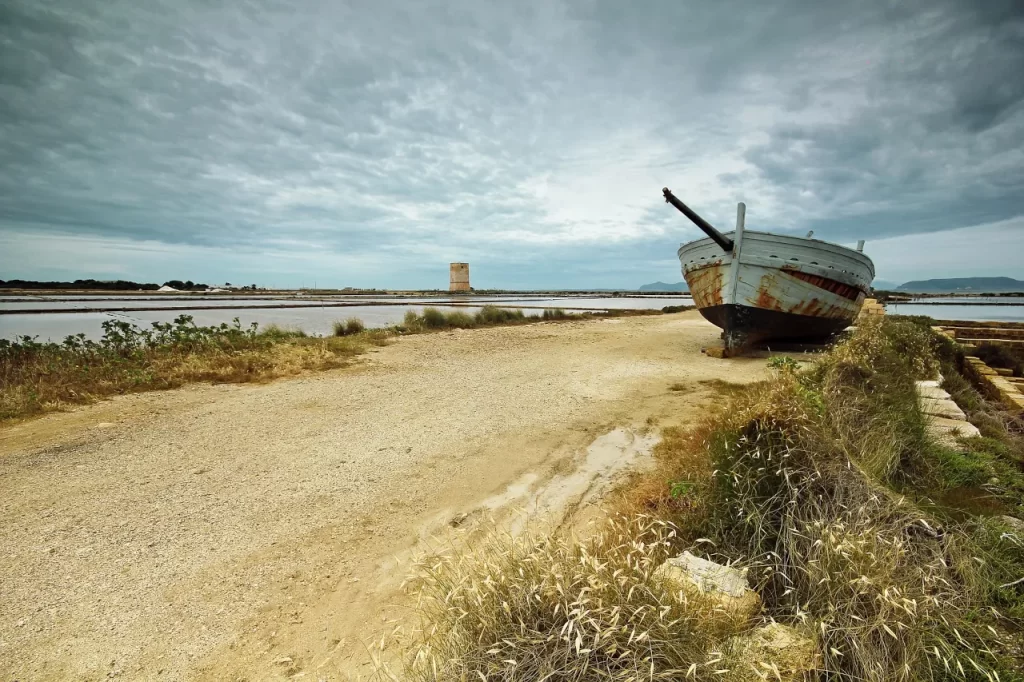
The Salt Pans of Trapani are an important historical testament and a unique environment in Sicily. These salt pans, located on the western coast of the island, are an extraordinary example of how tradition and environmental conservation can coexist in harmony, creating a place of great beauty and cultural value.
History and Tradition
The salt pans of Trapani have a long history dating back to Roman times. During the Middle Ages, the salt pans became a vital economic resource for the city of Trapani and the entire surrounding region. Salt production in this area was a life-sustaining activity, and the evaporation ponds and traditional windmills were distinctive features of the landscape.
Even today, many of the traditions related to salt production are kept alive. The salt pans stand as a testament to the craftsmanship of local communities and their dedication to preserving a unique historical heritage.
Biodiversity and Environmental Conservation
In addition to its historical and cultural value, the area of the Trapani salt pans is also an important natural habitat. The evaporation ponds of the salt pans create a unique environment that attracts a wide range of migratory bird species. During migration seasons, you can spot pink flamingos, herons, avocets, and many other coastal bird species. These salt pans have become a reference point for birdwatching enthusiasts and represent a crucial stopover site for birds during their migrations.
Conservation of the ecosystem of the Trapani salt pans is a priority to ensure the survival of these bird species and the protection of the surrounding environment. The joint efforts of local authorities and conservation organizations have led to the establishment of protected areas and the promotion of sustainability in salt pan management.
Cultural and Culinary Experiences
In addition to the natural beauty and history of the salt pans, visitors can enjoy unique cultural and culinary experiences in the Trapani area. The city itself is rich in history and culture, with its labyrinthine medieval alleys and baroque churches.
Furthermore, the traditional cuisine of Trapani is heavily influenced by products from the salt pans. Trapani’s sea salt is renowned for its quality and is used to season many typical Sicilian dishes. Additionally, the flavors of fresh fish and seafood abound in local restaurants, offering visitors an unforgettable culinary experience.
Conclusion
The Salt Pans of Trapani represent a living testament to the history, culture, and unique environment of Sicily. This enchanting place offers an opportunity to immerse oneself in natural beauty, discover local artisanal traditions, and savor the authentic flavors of the island. The Salt Pans of Trapani are a destination that captivates and inspires, a true jewel of Sicily deserving preservation for future generations.


