
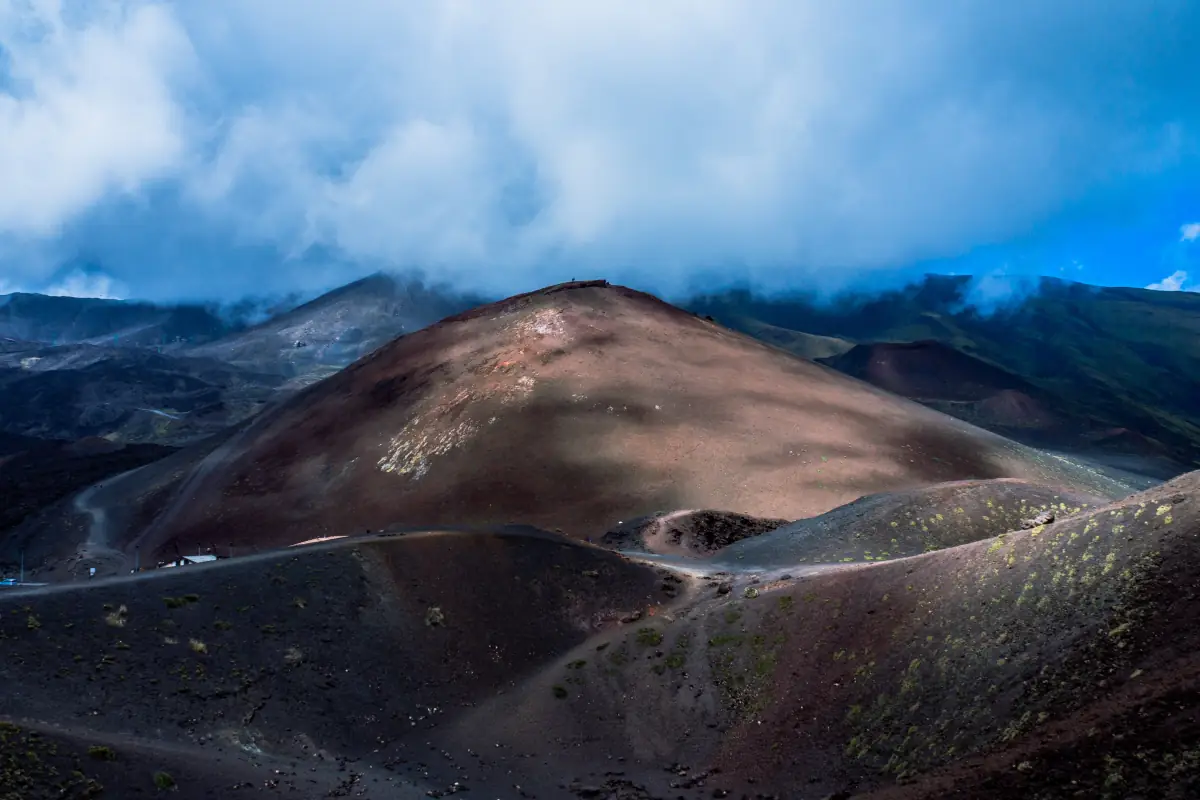
With its magnificence and spectacular landscape, Mount Etna attracts visitors from all over the world. In addition to its volcanic activity, Mount Etna offers a range of unique attractions that allow visitors to immerse themselves in the history, culture, and natural beauty of this extraordinary region. In this article, we will explore the main attractions of Mount Etna and discover why this volcano is such a fascinating tourist destination.
Reaching etna and getting around
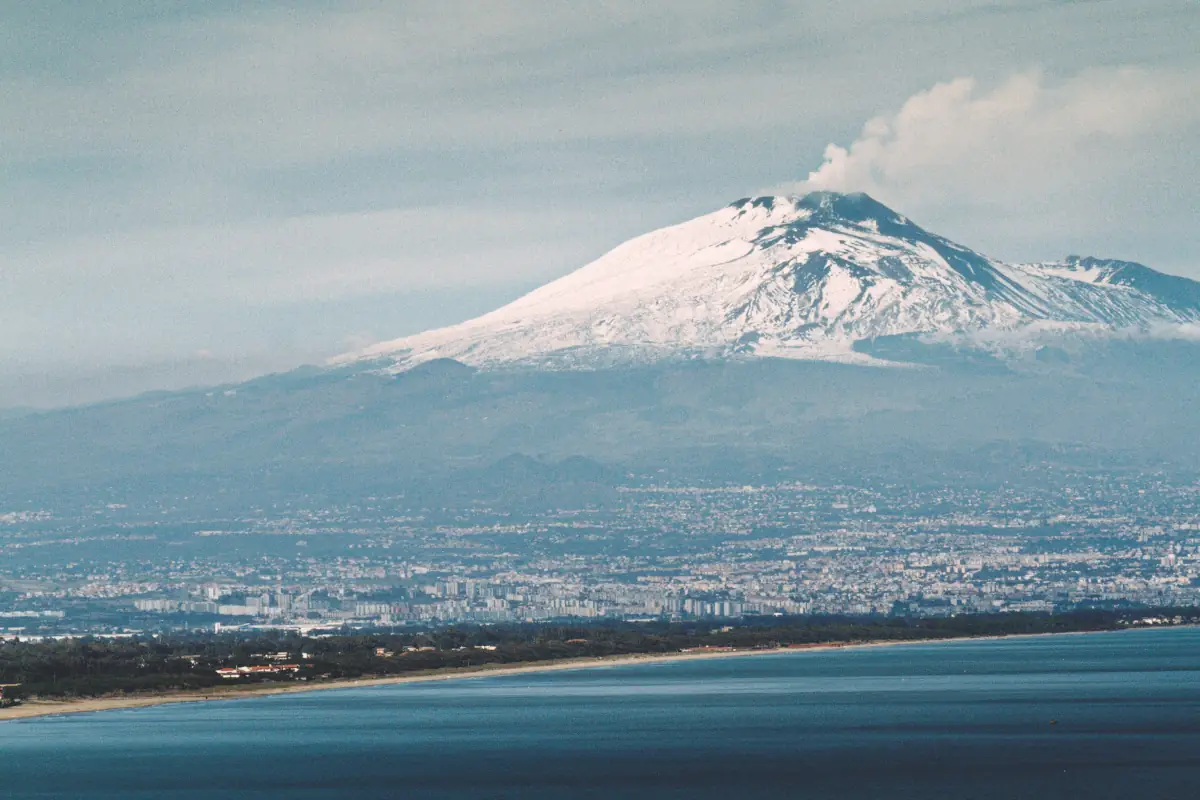
Etna is located on the eastern coast of the island, specifically spanning between the provinces of Catania and Messina. The volcano is situated approximately 30 kilometers northwest of the city of Catania.
Directions to: Etna
There are several ways to reach Etna:
By car
You can reach Etna by car from various directions. From Catania, you can follow the SS121 or SS192 state roads to the volcano’s access points, such as Nicolosi, Zafferana Etnea, or Linguaglossa. It’s important to note that access to the volcano can vary depending on weather conditions and ongoing volcanic activity, so it’s advisable to check for updated information before setting off.
Public transportation
You can reach Etna using public transportation. From Catania, there are buses that connect the city to nearby villages near Etna, such as Nicolosi and Linguaglossa. From there, you can take a taxi or join an organized tour to reach the access points of Etna.
Organized excursions
Many tourist agencies organize guided excursions to Etna. These tours usually include transportation from Catania or other nearby cities and provide an expert guide who accompanies visitors along the trails and main attractions of the volcano. Organized excursions are a convenient way to explore Etna without worrying about logistics.
Cable car and off-road vehicles
On the southern slope of Etna, near Rifugio Sapienza, there is a cable car that transports visitors to an altitude of approximately 2,500 meters. From there, you can take off-road vehicles to reach the summit craters. This option is ideal for those who want to explore the higher areas of the volcano with ease.
Regardless of the chosen method of transportation, it’s important to be prepared for the weather conditions and hiking on Etna. It is recommended to wear appropriate clothing, such as layers of warm and waterproof clothes, sturdy hiking shoes, and a sun hat. Additionally, it’s always advisable to follow the directions of local authorities and expert guides to ensure safety during the visit to Etna.


Volcanic activity
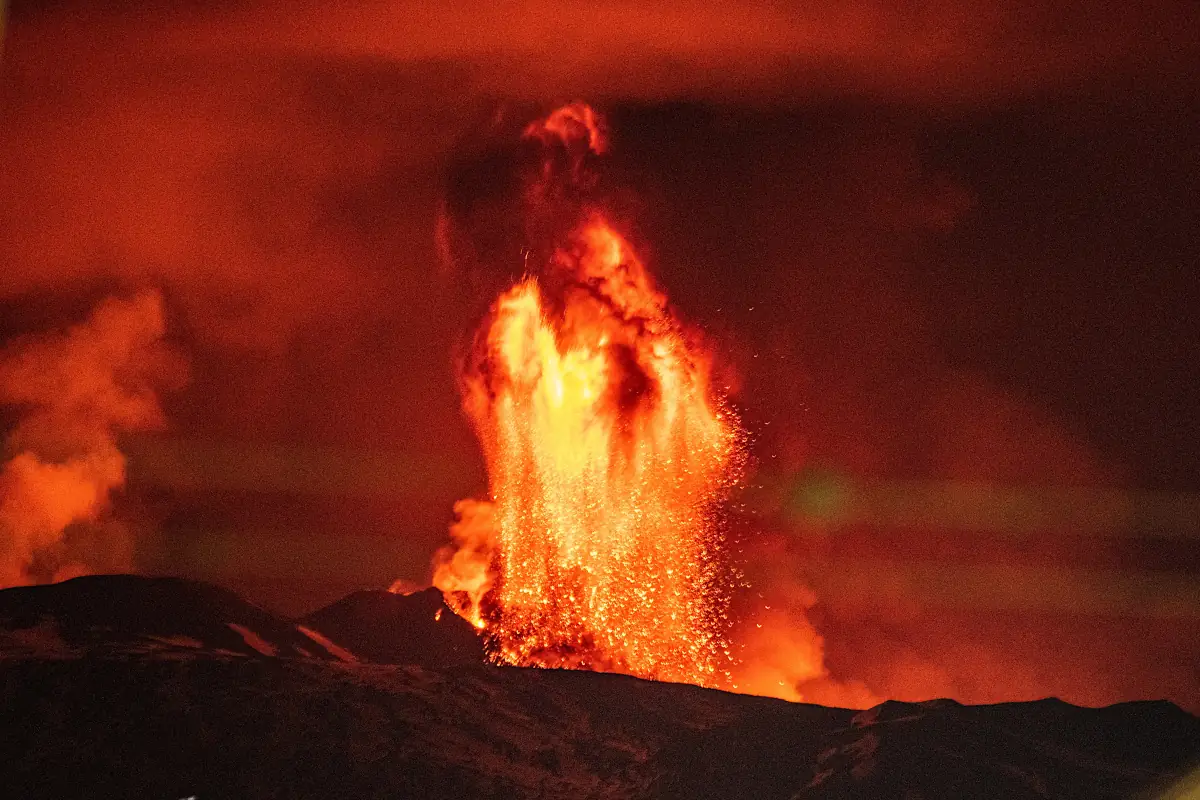
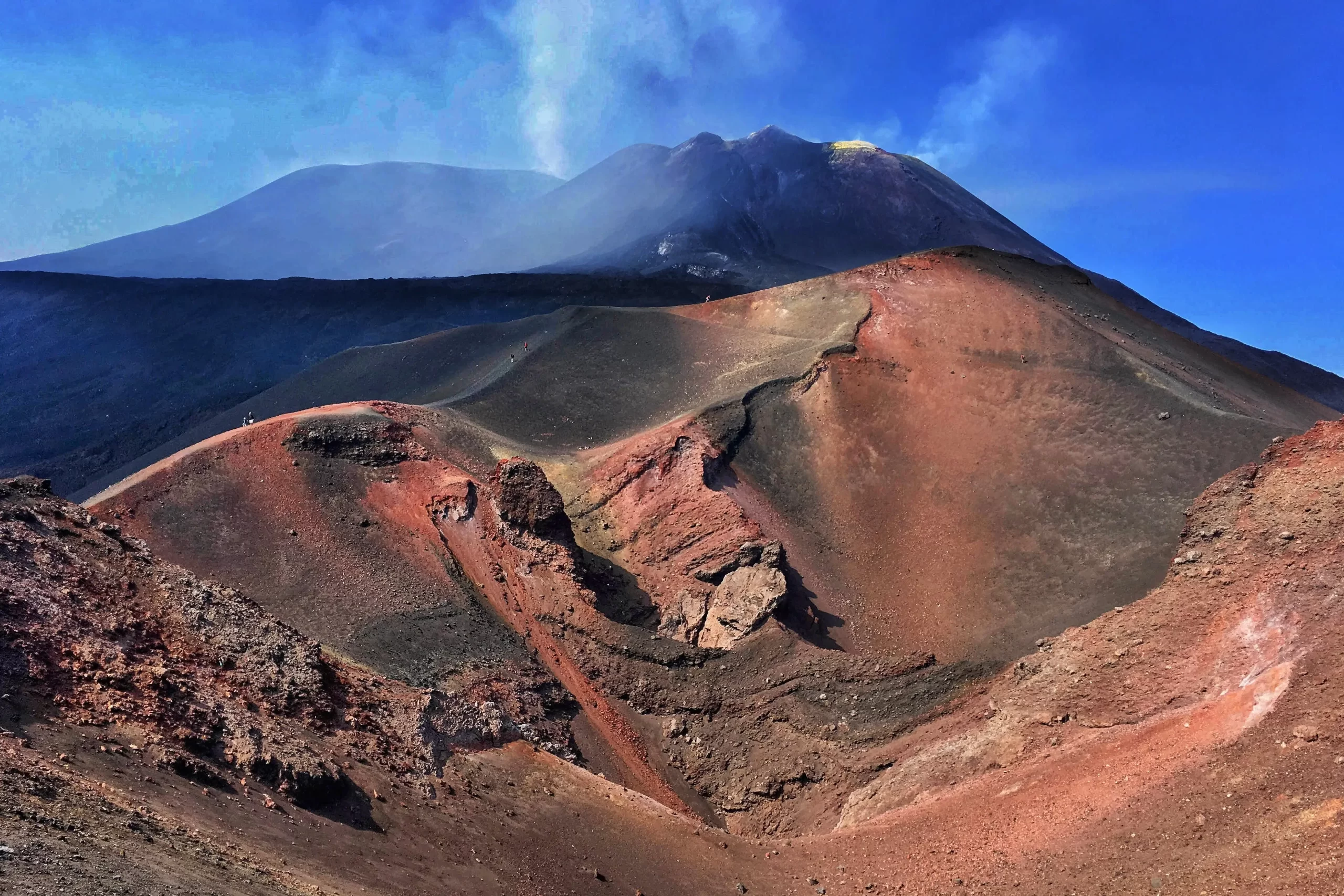
Etna is famous for its constant volcanic activity, which offers a unique natural spectacle. Volcanology enthusiasts can explore the summit craters, walk along volcanic trails, and closely observe manifestations of eruptive activity such as lava flows and gas emissions. It’s possible to participate in guided tours to explore the surrounding area and have an unforgettable experience on Etna.
Here is a video from a well-known newspaper (La Repubblica) showing one of the latest eruptions: Video Etna eruptions
Excursions and hiking
Etna offers an extensive network of hiking trails that allow visitors to explore the surrounding territory. Trekking enthusiasts can enjoy panoramic walks along the craters, through pine forests, and into the volcanic valleys. The breathtaking views and variety of landscapes make hiking on Etna a unique experience. It’s advisable to refer to expert guides to ensure safety during hikes.
Etna caves
Etna is a stratovolcano, which means it’s composed of several layers of solidified lava accumulated over millennia. During past eruptions, the lava has created an intricate system of caves and tunnels that can be explored by adventurous visitors. The Etna Caves offer a unique experience to delve into the underground world of the volcano and discover its geological features.
Surrounding cities
The cities surrounding Etna, such as Catania and Taormina, offer a fascinating combination of history, culture, and cuisine. Catania, the second-largest city in Sicily, is a treasure trove of Baroque architecture, with historic churches and palaces. Taormina, on the other hand, is famous for its ancient Greek-Roman theater.
Gastronomy
The Etna region is also famous for its fine wines, particularly the wine produced on the slopes of the volcano. The vineyards are located at high altitudes, giving Etna wines a unique character. Visitors can take part in winery tours and wine tastings to discover the nuances and flavors of this renowned wine region. Additionally, Sicilian cuisine offers a wide range of local specialties that will satisfy the most discerning palates.
Etna and its four slopes
Northern slope
The northern slope of Etna is characterized by lush vegetation and a series of picturesque villages that stretch along the volcano’s slopes. This area is particularly famous for its wine production, thanks to fertile soils and a favorable climate. Many wineries can be found here, offering tours and tastings, allowing visitors to immerse themselves in the local wine culture. The town of Linguaglossa, located on the northern slope, is a popular starting point for excursions on Etna. From here, you can explore the trails that lead to the summit craters and enjoy breathtaking panoramic views of the coast and surrounding towns.
Southern slope
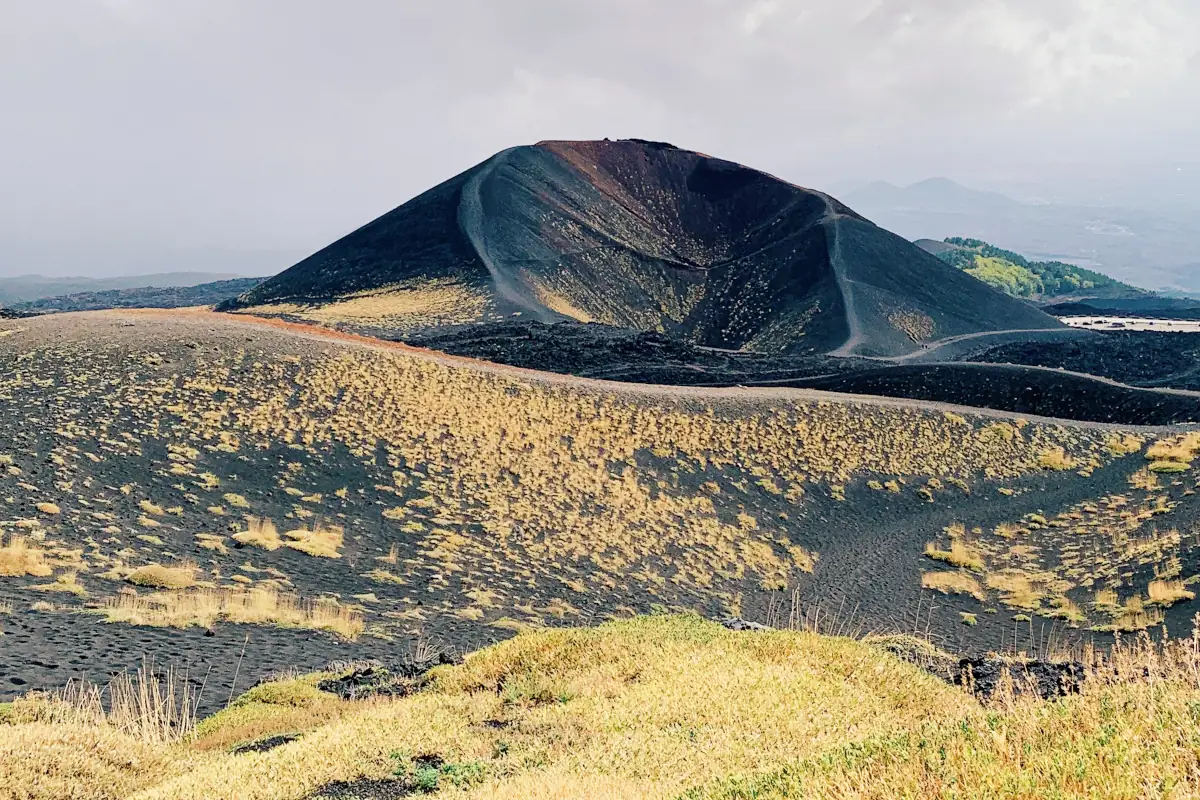
The southern slope of Etna is characterized by wild and spectacular beauty. This area is less populated than the northern slope but offers a unique experience for nature lovers. The landscape here is dominated by black lava flows descending the mountain and ancient oak forests. One of the main points of interest is Rifugio Sapienza, a base for excursions and visits to Etna. From here, you can take cable cars and off-road vehicles to reach the higher areas of the volcano. The southern slope also offers the opportunity to explore the Etna Caves, a network of caves and tunnels formed by past volcanic eruptions.
Eastern slope
The eastern slope of Etna is characterized by a fascinating combination of natural beauty and cultural attractions. The city of Catania, with its vibrant city life and rich historical heritage, is located right at the foot of the volcano. The eastern slope offers breathtaking views of Etna and the Ionian Sea. One of the most popular attractions is the Riserva Naturale Orientata del Parco dell’Etna, which offers a wide range of hiking trails and panoramic viewpoints. From here, you can explore the summit craters, traverse ancient forests, and enjoy spectacular views of the eastern coast of Sicily.
Western slope
The western slope of Etna is characterized by picturesque landscapes and charming villages. This area is less visited than other slopes but still offers unique opportunities for adventurers. The landscape here is characterized by chestnut forests, extensive vineyards, and quaint villages. The town of Randazzo, located on the western slope, offers a medieval atmosphere with its cobblestone streets and ancient palaces. This slope is ideal for those seeking tranquility and wanting to explore the Sicilian countryside, approaching Etna through less-traveled routes.
In conclusion, Etna offers unique attractions and landscapes on each slope. Each area presents different features, ranging from wine culture to historical charm, from wild nature to breathtaking panoramic views. Exploring the different slopes of Etna allows visitors to discover the variety and richness of this volcanic wonder, making the experience even more complete and rewarding.
Etna is much more than just an active volcano; it is a place of extraordinary beauty and a magnet for nature, adventure, and culture enthusiasts. Its unique attractions, ranging from volcanic activity to cave exploration and wine tasting, offer a comprehensive experience to visitors. Exploring Etna and its attractions allows one to appreciate the grandeur and power of nature, as well as the historical and cultural richness of Sicily. If you have the opportunity to visit this volcanic wonder, don’t miss the chance to discover Etna and everything it has to offer.